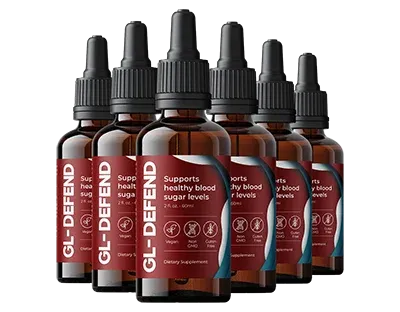
Ingredient pages are most useful when they separate what is in a formula from what shoppers may assume it can do. The recurring GL-Defend ingredients list contains seven components: berberine extract, bitter melon, cinnamon bark extract, gymnema sylvestre, alpha lipoic acid, chromium picolinate, and banaba leaf extract. Together they create a plant-forward metabolic wellness blend with antioxidant and mineral support.
Why the complete list matters
People often recognize one headline ingredient and overlook the rest. That can hide duplicate intake from other supplements or miss a potential interaction. Reading every component makes it easier to discuss the product with a pharmacist, compare it with an existing multivitamin, and decide whether a focused glucose-support formula matches personal needs.
The supplied images show a liquid dropper bottle. Exact quantities should be read on the label received because amounts appearing on third-party pages were not consistent. The safest approach is to use the actual Supplement Facts panel as the source for serving size, concentration, other ingredients, and allergen information.
Berberine extract
Berberine is a yellow plant alkaloid found in several botanical sources and commonly used in metabolic supplements. It is selected for its relationship to normal glucose and lipid metabolism. In GL-Defend, berberine serves as an anchor ingredient, giving the blend a recognizable metabolic-wellness focus.
Berberine is also an ingredient that deserves careful medication review. It can influence biological pathways and may not suit pregnancy, nursing, or certain prescriptions. “Natural” describes its origin, not the absence of physiological activity. That is why a clinician or pharmacist should assess the complete routine when medicines are involved.
Bitter melon
Bitter melon is both a food and a traditional botanical used across parts of Asia, Africa, and the Caribbean. Its presence supports the formula’s glucose-conscious direction. It is often promoted with exaggerated comparisons to medication; those comparisons are not necessary to understand its role and should not guide self-treatment.
Within a supplement, bitter melon should be taken only in the labeled amount. People already managing glucose with medicine should be especially cautious about combining several products aimed at the same pathway.
Cinnamon bark extract
Cinnamon bark extract is more concentrated than the spice used in cooking. It contributes antioxidant plant compounds and is frequently included in formulas that support normal insulin responsiveness and carbohydrate metabolism. Its familiar name can make the blend easier to understand, but familiarity does not make unlimited intake appropriate.
Different cinnamon species and extracts can have different profiles. Buyers should not infer the exact species, extraction ratio, or compound standardization unless it appears on their bottle. They should also avoid stacking concentrated cinnamon products without checking total exposure.
Gymnema sylvestre
Gymnema is an herb with a long history in Ayurvedic practice. It is frequently connected with sweet-taste perception and mindful appetite support. In GL-Defend, it adds a behavioral angle: the formula is not only about nutrient metabolism, but also about supporting a routine in which sweet foods are chosen more deliberately.
That does not mean gymnema erases cravings or changes eating habits automatically. Meal planning, protein and fiber intake, sleep, and environment remain central. The ingredient may complement those choices rather than replacing them.
Alpha lipoic acid
Alpha lipoic acid, often shortened to ALA, is an antioxidant compound involved in cellular energy processes. Unlike the botanical ingredients, it is also produced naturally by the body. Its inclusion broadens GL-Defend from a glucose-focused botanical blend into one that also addresses oxidative balance and energy metabolism.
ALA should not be confused with alpha-linolenic acid, an omega-3 fatty acid that uses the same abbreviation. The label context distinguishes them. People with medical conditions or multiple supplements should include ALA in their professional medication-and-supplement review.
Chromium picolinate
Chromium is an essential trace mineral involved in macronutrient metabolism. Picolinate is a commonly used supplemental form. Its quantity is typically much smaller than botanical amounts because minerals are active at different intake levels; therefore, micrograms should never be mistaken for milligrams.
Check whether a multivitamin or another metabolic formula already supplies chromium. Adding several sources without purpose is not a better strategy. The goal is an appropriate intake, not the largest number on a label.
Banaba leaf extract
Banaba leaf comes from Lagerstroemia speciosa, a tree native to tropical regions of Asia. The leaf contains plant compounds such as corosolic acid and is used in supplements focused on normal cellular glucose uptake. In GL-Defend, banaba complements berberine, cinnamon, chromium, and the traditional bitter melon and gymnema components.
As with other extracts, the exact standardization matters if the label states it. Avoid assuming that every banaba product is equivalent simply because the ingredient name matches.
What “100% herbal” does and does not mean
Most named components are botanical, but alpha lipoic acid is an antioxidant compound and chromium picolinate is a mineral form. Calling the entire formula “100% herbal” is therefore imprecise. A better description is plant-focused metabolic blend with antioxidant and trace-mineral support.
The front label shown in supplied images also highlights vegan, non-GMO, and gluten-free positioning. Buyers with allergies or strict dietary requirements should still inspect the complete other-ingredients statement because front-label icons cannot answer every manufacturing or cross-contact question.
How to evaluate the label
Confirm the serving form, serving size, amounts, other ingredients, warnings, lot information, and expiration date. Look for a sealed container and readable label. Do not use a bottle that arrives damaged or appears altered. If the label differs materially from expectations, contact the retailer before starting it.
Also distinguish active ingredients from supporting ingredients. A liquid may require a carrier, flavor system, stabilizer, or preservative, and those components can matter to people with allergies or dietary restrictions. Record the lot number when opening the bottle and store it exactly as directed. If the dropper markings are unclear, ask support rather than estimating a serving. These small checks turn an ingredient list into a safer, more practical routine.
The most honest GL-Defend ingredient conclusion is that the seven-part formula is coherent and easy to understand, but not universally suitable. Its ingredients may complement a structured lifestyle while requiring caution around medicines and health conditions. Compare package choices only after confirming the complete label at official-gldefend.com/official.
Bring the bottle or a clear label photograph to any professional consultation. That makes it easier to discuss exact amounts, serving frequency, and overlap without relying on memory. Ingredient transparency becomes genuinely useful only when it informs a safe decision.